Layer VI — The Historical Record Continued

The Millennium Was Real

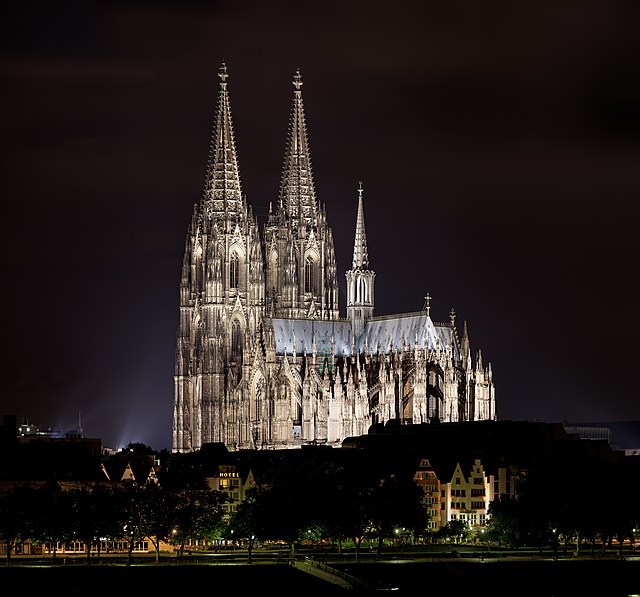
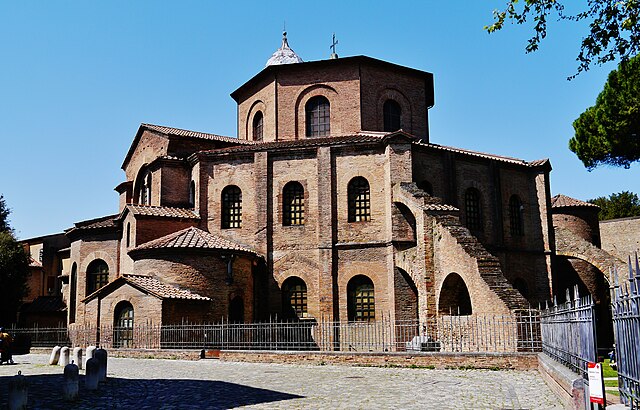
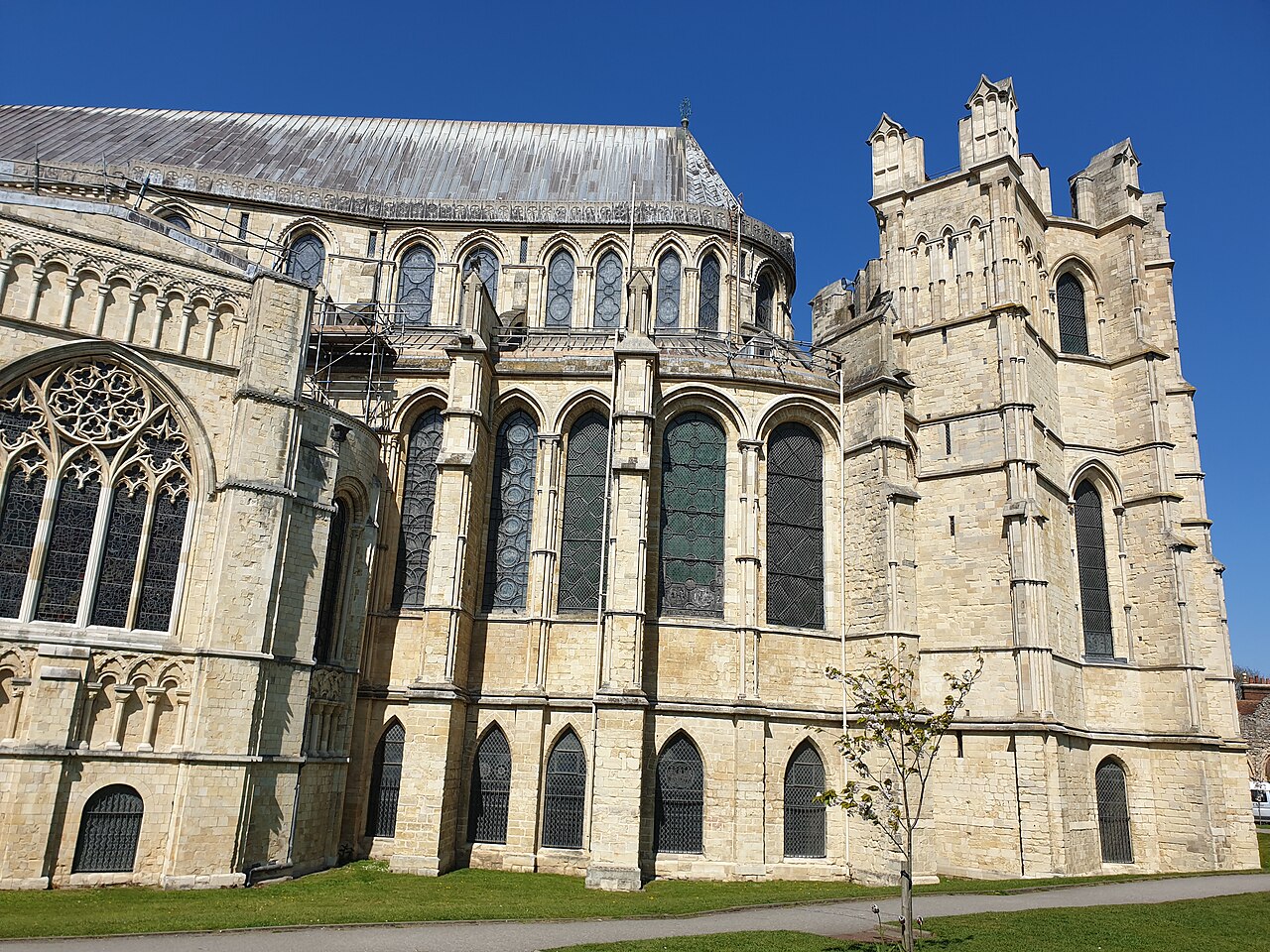
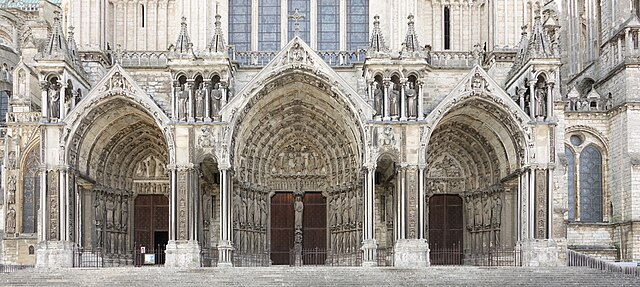
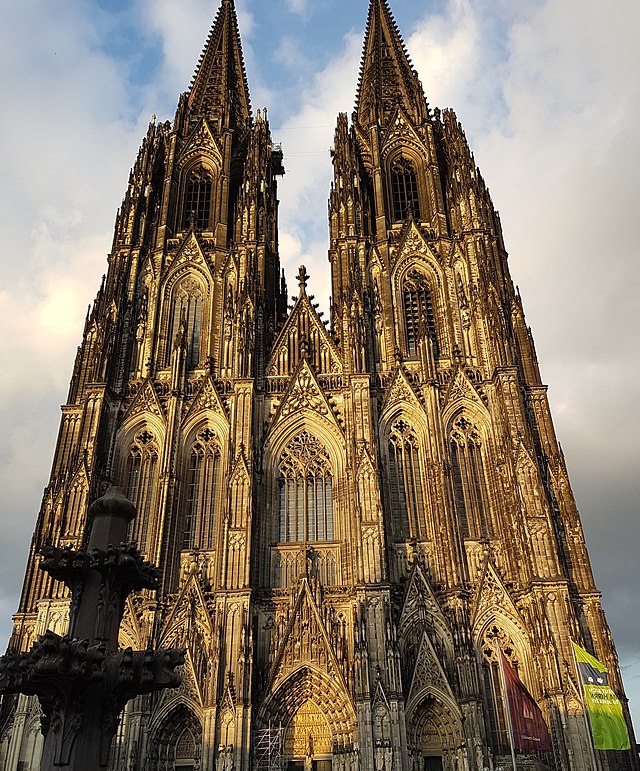
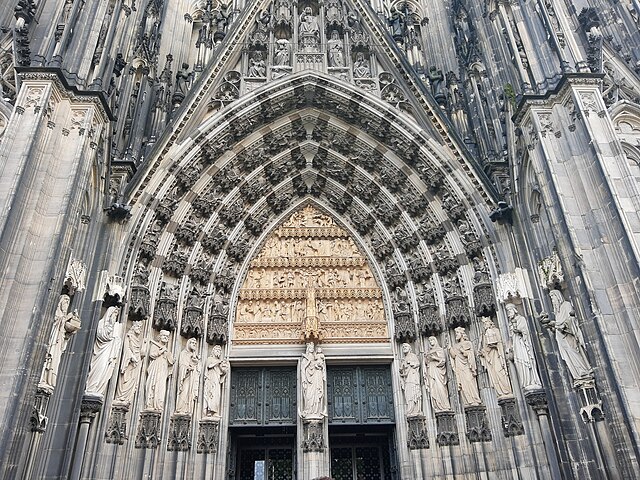
Revelation 20 mentions a thousand-year reign six times in eight verses. The stones of a thousand cathedrals still stand. The names of ten thousand martyred saints are carved in them. The Eastern Roman Empire stood for almost exactly one thousand years — explicitly, deliberately, in the name of Jesus Christ.

Revelation 20:2 — First Mention Revelation 20:3 Revelation 20:4 Revelation 20:5 Revelation 20:6 Revelation 20:7 — Sixth Mention
The argument from repetition

Six Times in Eight Verses.
Why?

John mentions the thousand years six times in Revelation 20:2–7. No other specific time period in the entire book of Revelation receives this kind of repetition. The number seven appears 54 times in Revelation. The number twelve appears frequently. But no specific duration of time is stated and restated the way the thousand years is.

In Hebrew literary tradition — the tradition John wrote within — repetition is not accident or emphasis for emphasis's sake. It is the author insisting on the literal reality of what he is describing. When God commands something twice, it is to be understood as firmly established. When John records the thousand years six times, he is not writing poetry. He is writing history in advance.

The mainstream church has spent centuries debating whether the millennium is literal or symbolic, future or present, individual or corporate. Meanwhile, a thousand-year Christian civilization rose from the ashes of Rome, filled the earth with cathedrals, documented the lives of its saints in thousands of pages of hagiography — and then fell to an Islamic army that immediately converted its greatest church into a mosque.

"The evidence of the millennium is not in a future promise. It is carved in stone across three continents, and you can visit it this afternoon."

The Six Witnesses of Revelation 20

Read them together. Note what each one says. The repetition is not accidental — it is John insisting, six times, that his readers understand this as a real and specific period of time with a real beginning and a real end.

First Mention

"He seized the dragon...and bound him for a thousand years."

Revelation 20:2
Second Mention

"...to keep him from deceiving the nations anymore until the thousand years were ended."

Revelation 20:3
Third Mention

"They came to life and reigned with Christ a thousand years."

Revelation 20:4
Fourth Mention

"The rest of the dead did not come to life until the thousand years were ended."

Revelation 20:5
Fifth Mention

"...they will be priests of God and of Christ and will reign with him for a thousand years."

Revelation 20:6
Sixth Mention

"When the thousand years are over, Satan will be released from his prison."

Revelation 20:7
The Eastern Roman Empire — 476 AD to 1453 AD

The Empire That Stood
In His Name

When the Western Roman Empire fell in 476 AD — the empire that had crucified Christ, martyred the apostles, and fed believers to lions — something rose in its place in the East that was organized around an entirely different principle. Not Roman power. Not Greek philosophy. Not military conquest as an end in itself. But the explicit, deliberate, institutional reign of Jesus Christ as King of kings.

Western Rome Falls 476 AD
977 Years of Christian Civilization
Constantinople Falls 1453 AD

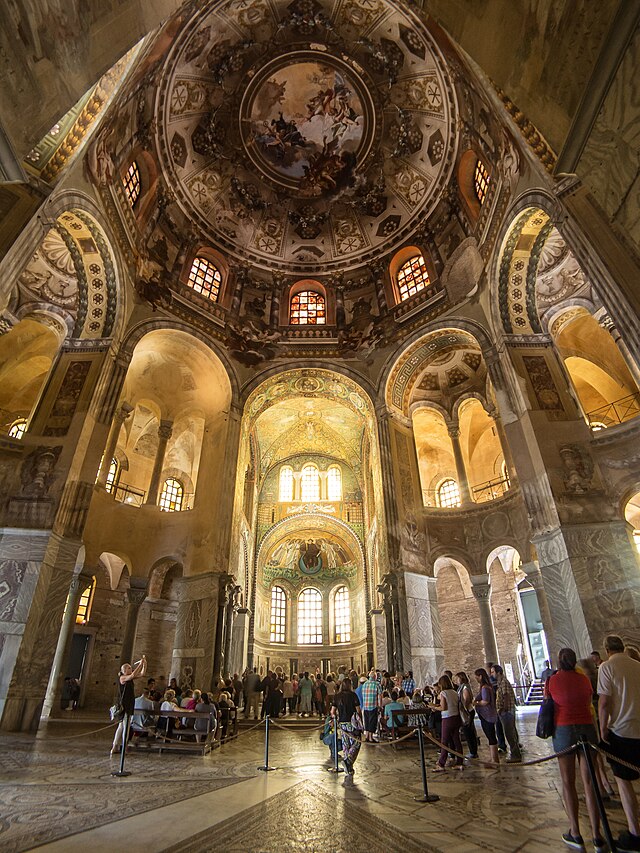
The Byzantine Empire understood itself not as a successor to pagan Rome but as the Kingdom of God on earth. The Emperor was Basileus ton Romaion — but also God's viceroy, crowned in a ceremony inseparable from Christian liturgy. The law was Christian law. The art was theological art. The architecture was an act of worship. Every coin bore the image of Christ or his mother. Every military campaign was prosecuted under the sign of the cross.

It lasted 977 years. So close to a thousand that the rounding point is almost beside the point — and depending on which start date is used for the Christian reorganization of the empire under Constantine, the correspondence tightens further.

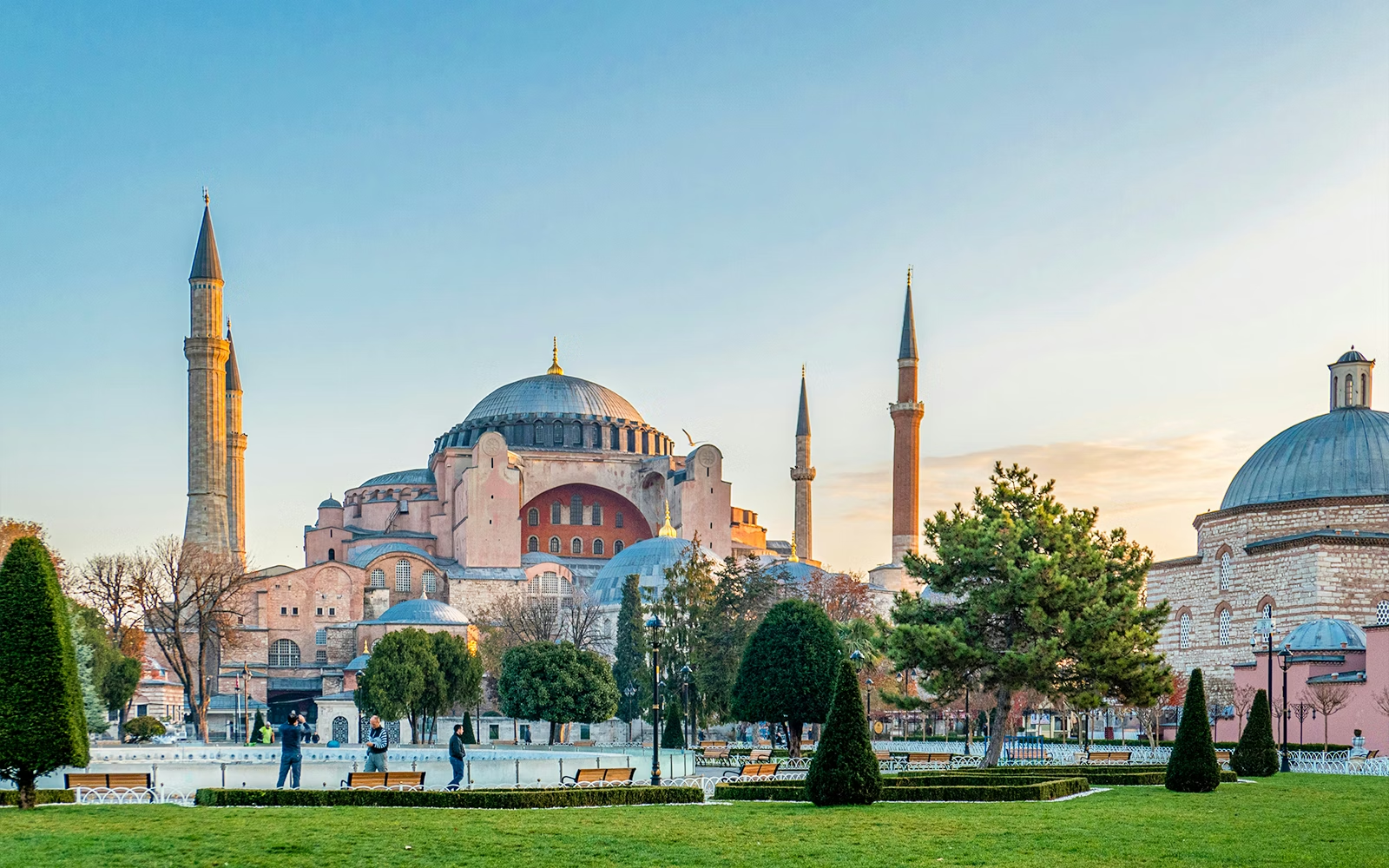
When it ended, the Ottoman Sultan Mehmed II rode his horse into the Hagia Sophia — the greatest cathedral in Christendom, whose name means Holy Wisdom of God — and converted it immediately into a mosque. The deliberate, symbolic desecration of the throne of Christian civilization. If the millennium was a real earthly reign, its ending looked exactly like Revelation 20:7–9 describes.

The Coinage
Every Byzantine coin bore the image of Christ

From the reign of Justinian II in 692 AD onward, the face of Jesus Christ appeared on the obverse of Byzantine gold coins. Not the emperor. Christ. The message was explicit: this empire operates under his authority, not Rome's tradition.

The Law
Justinian's Code organized civilization around Scripture

The Corpus Juris Civilis — compiled under Emperor Justinian in 529 AD — became the foundation of European law for a thousand years. It opened with an explicit statement of Trinitarian faith. The law of the millennium was Christ's law.

The Art
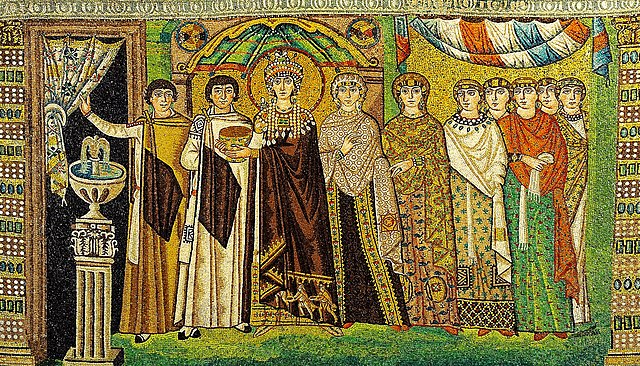
Every mosaic was an act of theology

Byzantine iconography was not decoration. It was a precise theological language — every position, color, gesture, and proportion encoded with doctrinal meaning. The saints depicted were not mythological figures. They were the documented dead who had died for Christ and were now, the church insisted, reigning with him.

The End
The Hagia Sophia converted the day Constantinople fell

The last Byzantine Emperor Constantine XI died fighting at the walls. Mehmed II's first act upon entering the city was to proceed to the Hagia Sophia and convert it to a mosque. The greatest church in the world — built to house the Holy Wisdom of God — became a symbol of Islamic conquest. In 2020, it was reconverted from museum back to mosque.

What a Civilization
Builds When It Believes

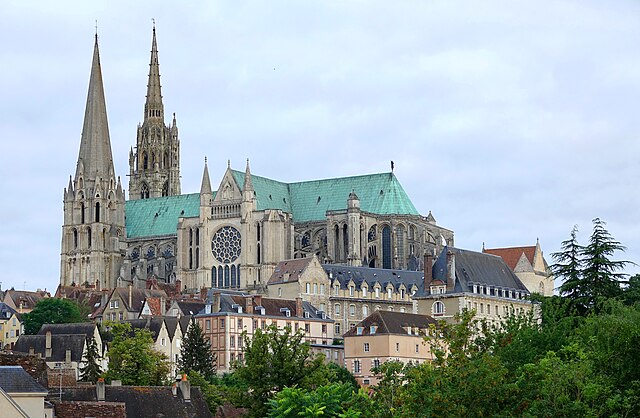
With hand tools, ox carts, wooden scaffolding, and no power equipment — medieval Christian civilization built structures that have stood for a thousand years and still stop engineers cold. We have better tools, stronger materials, computer modeling, and global supply chains. We build glass office towers that will not last two centuries. They built these.

The question worth sitting with is not merely aesthetic. It is theological. What kind of civilization builds like this? What shared conviction, what vision of reality, what experience of the sacred produces this level of collective artistic and spiritual intention — sustained across centuries, by communities who lived within the completed glory of what they had raised?
Hagiography as
Historical Record

The word hagiography has come to mean writing that uncritically praises its subject. In its original meaning it is simply the writing of the lives of the saints — biography organized around the testimony of those who died for Christ. The church produced thousands of these documents across the first millennium, many written within living memory of the subjects, detailing names, locations, dates, methods of execution, witnesses, and posthumous accounts.

Mainstream history has largely dismissed this body of literature as legend and pious invention. This dismissal is itself a methodological choice — not a neutral scholarly position. The same historical standards applied to hagiographic literature would, if applied consistently, undermine significant portions of Greek and Roman history that secular academia accepts without question.

If the millennium was real — if there was a period in which the martyrs were genuinely honored, in which their lives were documented and preserved, in which their testimony was considered the most important historical record in existence — the hagiographic tradition is exactly what you would expect to find.

Polycarp of Smyrna 69 – 155 AD · Martyr

Bishop of Smyrna, disciple of the Apostle John. His martyrdom is one of the best-documented early Christian deaths — the eyewitness account, the Martyrdom of Polycarp, was written within years of his death and circulated to churches across the empire. He was burned and stabbed in the arena at Smyrna. He was 86 years old.

Perpetua and Felicity Died 203 AD · Carthage

Vibia Perpetua was a young noblewoman who kept a prison diary — one of the earliest known texts written by a Christian woman — recording her visions and her refusal to recant despite the pleas of her father. She and her slave Felicity were executed in the arena at Carthage. The account is considered historically reliable by scholars of all traditions.

Ignatius of Antioch 35 – 108 AD · Bishop and Martyr

Bishop of Antioch, likely a disciple of the Apostle Peter. Arrested and transported to Rome for execution, he wrote seven letters to churches along his route — letters that survive and are considered among the most important early Christian documents. He was executed in the Colosseum.

Justin Martyr 100 – 165 AD · Philosopher

A Greek philosopher who converted to Christianity and wrote systematic defenses of the faith to Roman emperors. His Apologies and Dialogue with Trypho are primary sources for both early Christian theology and its relationship with Judaism. He was beheaded in Rome. His student Tatian preserved and disseminated his work.

Blandina of Lyon Died 177 AD · Slave and Martyr

A slave girl who became the central figure of the Lyon martyrdoms under Marcus Aurelius. Eyewitness accounts describe her endurance under prolonged torture as extraordinary — even her torturers admitted exhaustion before she yielded. She was finally killed in the arena. Her account is preserved in a letter from the church of Lyon to churches in Asia Minor.

Origen of Alexandria 185 – 253 AD · Theologian

The most prolific scholar of early Christianity — his father was martyred during the Severan persecution. Origen was tortured under Decius and died from the effects. He produced the Hexapla — a six-column parallel Old Testament — and wrote systematic theology that shaped Christian thought for centuries. The Vatican archives contain documents related to his work that have never been fully published.

The Scale of the Record The Roman Martyrology — the official Catholic list of recognized saints — contains over 6,500 entries. The Eastern Orthodox calendar contains thousands more, many of them distinct. The Anglican, Lutheran, and other traditions maintain their own martyrologies. Whatever one believes about the miraculous elements of these accounts, the documentary record of specific named individuals who died for their faith in the first millennium represents one of the most extensive biographical archives in human history. It has been largely ignored by secular scholarship. It should not be.

53 Miles of Shelves.
What Is In Them?

53

Miles of archival shelf space — Vatican Apostolic Archive

Each bar represents approximately one mile of documented history that has never been made public

The Vatican Apostolic Archive — formerly the Secret Archive, Archivum Secretum Apostolicum Vaticanum — contains 53 linear miles of shelving. It holds documents spanning 12 centuries of institutional history. It is the single largest private archive in the world.

The archive was officially opened to scholarly researchers by Pope Leo XIII in 1881 — but access remains tightly controlled, portions remain restricted, and the index itself is not fully public. The Council of Trent (1545–1563) made specific decisions about which texts would be included in the Biblical canon, which would be classified as apocryphal, and which would be restricted entirely. Those decisions — and the documents that informed them — are in this archive.

The question your framework raises is this: If a thousand years of Christian civilization produced extensive documentation of saints, miracles, ecclesiastical governance, and theological correspondence — and if that documentation contradicts the institutional narrative that the millennium is a future promise rather than a past reality — what motivation would the institution that made the chronological decisions have to make those documents public?

This is not a conspiracy claim. It is a straightforward institutional analysis. Archives are curated. Curation involves selection. Selection involves interest. The institution that controls 53 miles of the most important religious historical documents in Western civilization has a direct institutional interest in the interpretation of those documents. That interest is worth naming.

The Council of Trent and the Canon The Council of Trent definitively established the Catholic Biblical canon in 1546 — rejecting numerous texts that had circulated in early Christian communities. Among the restricted or rejected texts were several that dealt extensively with the nature of the resurrection body, the reign of the saints, and the structure of the coming kingdom. The decisions of Trent are documented. The documents that informed those decisions are in the archive. Scholars who have accessed them have published findings. The full archive has never been systematically analyzed.
Numismatic and Documentary Evidence — A Speculative Hypothesis

The I and J on Coins,
Maps, and Documents

Across medieval European coins, maps, and official documents, a prefix of I or J appears in dating conventions and official designations in ways that conventional historians attribute to various Latin abbreviations. The following is presented as a hypothesis for consideration — not established scholarship — in keeping with the site's commitment to distinguishing evidence from interpretation.

I
Latin Convention

In Latin, Iesus begins with I. The same letter serves as both I and J in classical Latin, with the J form emerging as a distinct letter only in the 16th century.

J
The English Form

The J form of the name — Jesus in English, Jesu in Latin vocative — appears on medieval documents and coins. Its use as a dating prefix in certain regional conventions has not been fully explained by conventional numismatics.

IHS
The Christogram

The IHS monogram — the first three letters of Jesus in Greek (ΙΗΣΟΥΣ) — appears on thousands of medieval documents, buildings, coins, and official seals as a dating and authority marker.

Anno
Year of the Reign

The hypothesis: that I/J prefixes in certain medieval dating conventions mark years of Christ's reign — Anno Domini reorganized around the inauguration of the millennial kingdom rather than the birth year alone.

Presented as Inquiry, Not Assertion This hypothesis connects to the broader chronological questions explored in Layer VII — Heinsohn, Fomenko, and the possibility that medieval dating conventions reflect a historical reality that the standardized timeline has obscured. It is presented here for the reader's consideration. If the millennium was a real and recognized period of Christ's reign, the dating conventions of that period would logically reflect that recognition. Whether the I/J prefix evidence supports this reading requires primary source research beyond the scope of this page.
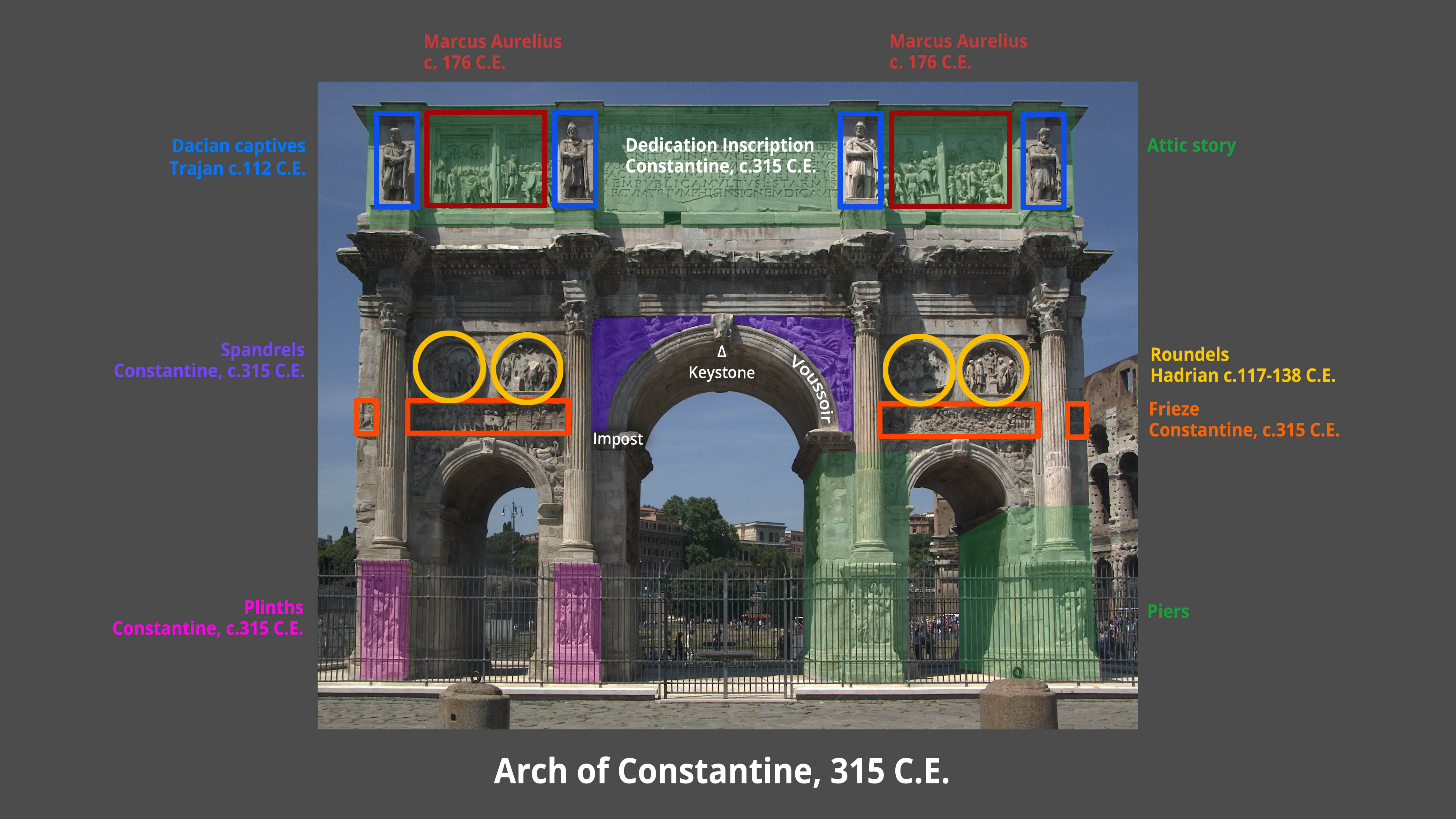
Arch of Constantine — Rome
The Arch of Constantine · Rome · 315 AD Erected by the Roman Senate to commemorate Constantine's victory — the moment Christianity became imperial

The Arch of Constantine
and Contemporary Rulers

The Arch of Constantine, completed around 315 AD, is unique among Roman triumphal arches in that it incorporates sculptural reliefs taken from monuments to earlier emperors — Trajan, Hadrian, and Marcus Aurelius — alongside images of Constantine himself. The official explanation is spolia: deliberate reuse of earlier imagery to associate Constantine with the prestige of his predecessors.

The hypothesis presented here — consistent with the broader chronological questions raised by Fomenko and Heinsohn — is worth considering: What if these emperors were not sequential predecessors but contemporary rulers of different regions of a vast empire?

The Roman Empire at its height stretched from Britain to Mesopotamia. Administration of such a territory required regional authority. The Tetrarchy — the system of four co-emperors — is the most famous example of this, but the principle may have operated more broadly and for longer than the conventional timeline acknowledges.

Paul's letters reference multiple Caesars across what is conventionally dated as multiple reigns — suggesting either that Paul lived an extraordinarily long time or that the imperial sequence was more contemporaneous than later chroniclers recorded. If Fomenko's statistical analysis is correct — that multiple imperial biographies are doublings of the same figures — the Arch of Constantine may be depicting colleagues, not predecessors.

Methodological Note This is speculative historical interpretation, not established scholarship. It is presented because it connects meaningfully to the broader chronological questions of Layer VII. The reader is encouraged to examine the primary sources and the scholarly responses to Fomenko's work directly.
Trajan
98–117 AD?
Hadrian
117–138 AD?
M. Aurelius
161–180 AD?
Constantine
306–337 AD

Sequential predecessors — or contemporary regional rulers?

But What If the
Timeline Itself
Has Been Rewritten?

Everything on this page rests on the conventional historical timeline — 476 AD, 1453 AD, the sequence of Roman emperors, the dating of councils and chronicles. But what if that timeline has been deliberately manipulated? What if centuries were inserted, events duplicated, and the historical record of the millennium systematically obscured — not by accident but by the same institutional network we identified in Layers II and III? That is the question of Layer VII.

Continue to Layer VII — Chronology and Catastrophe ← Return to Layer V The World They Left Behind ↗